
4G Anti-Theft Modules
Robot Mower Wheel Design: Traction On Slopes
How tread, tire compound, wheel size, and drive layout determine robot mower traction on slopes—plus a buying checklist for hilly lawns.

Sales Manager
Anna is Sales Manager for SmartMowBot, the export channel of Sunteam Group, working with overseas brand owners and distributors on UNICUT OEM, ODM and private-label programs.
Anna is Sales Manager for SmartMowBot, the export brand of Sunteam Group — a Wuhan-based outdoor power equipment manufacturer founded in 1997 and publicly listed in 2015. She is the first point of contact for overseas brand owners and distributors evaluating the UNICUT robot lawn mower range.
Her day-to-day is the practical middle ground between a buyer’s market requirements and what the factory can build: matching a target lawn size to the right model across the UNICUT range (H5 for 500 m², H3 for 800 m², H3 PRO for 1,200 m², H1 for 1,500 m²), scoping OEM, ODM, private-label and joint-development arrangements, and getting technical questions answered by the engineering team rather than guessed at.
On the SmartMowBot blog, Anna writes about the things buyers ask her on calls — how GFLS fusion positioning combines RTK, VSLAM and AI vision, what boundary-free operation changes about installation, and how to read a spec sheet before committing to a range.
How tread, tire compound, wheel size, and drive layout determine robot mower traction on slopes—plus a buying checklist for hilly lawns.

See how 4G modules give robot mowers GPS tracking, geofencing alerts, and real-time anti-theft protection—plus how to pick the best connected mower.
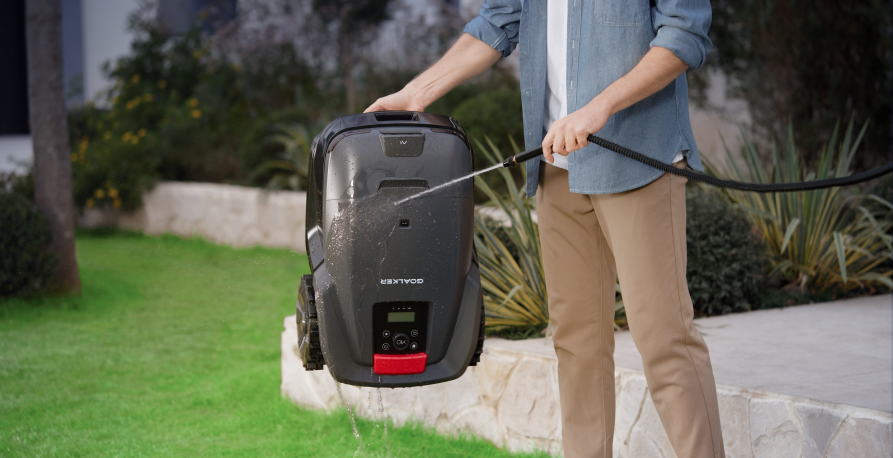
Learn how robot mower rain sensors detect moisture, why resume timing varies by brand, and how to fix false triggers and stopping issues.
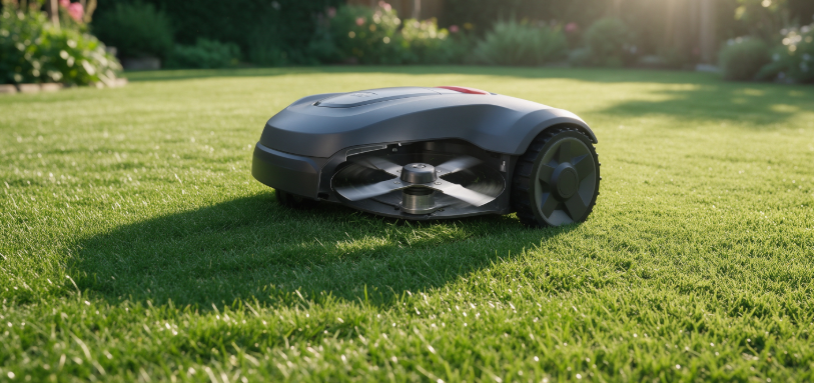
Rotary blades vs blade discs: compare cutting precision, durability, maintenance, and safety to pick the right robot mower system for your lawn.
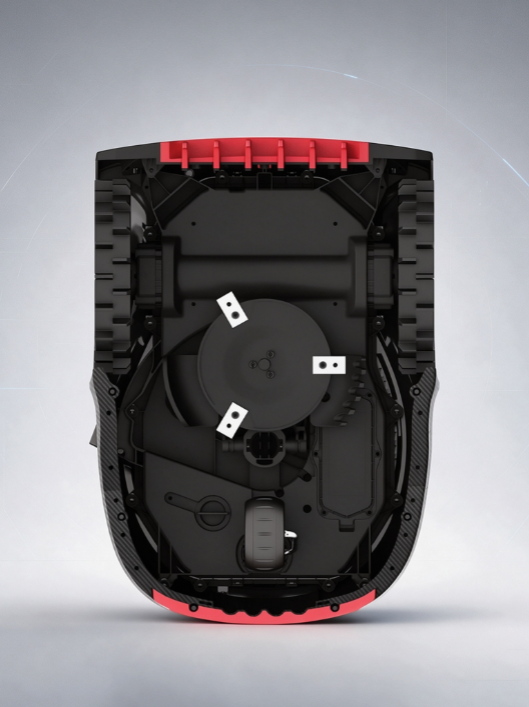
Discover why brushless DC motors boost robot mower runtime, torque, and lifespan—and how to verify motor type before you buy.
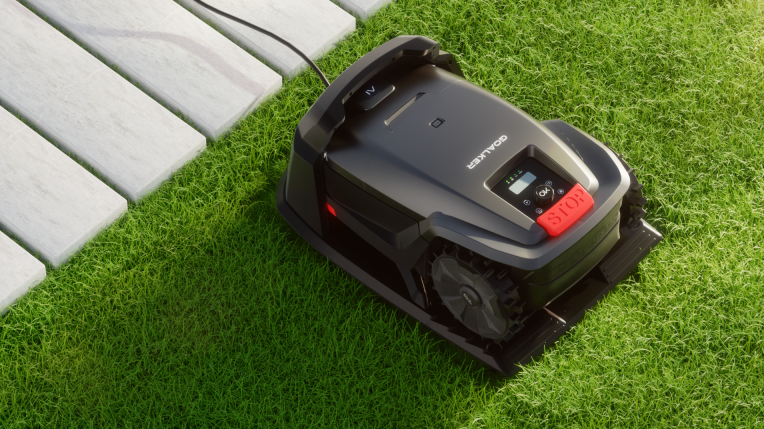
How lithium-ion batteries power robot mowers—lifespan, maintenance tips, warning signs, and when to replace a failing pack.

Discover how 4G GPS anti-theft modules protect robot mowers with real-time tracking, instant theft alerts, and recovery tips.
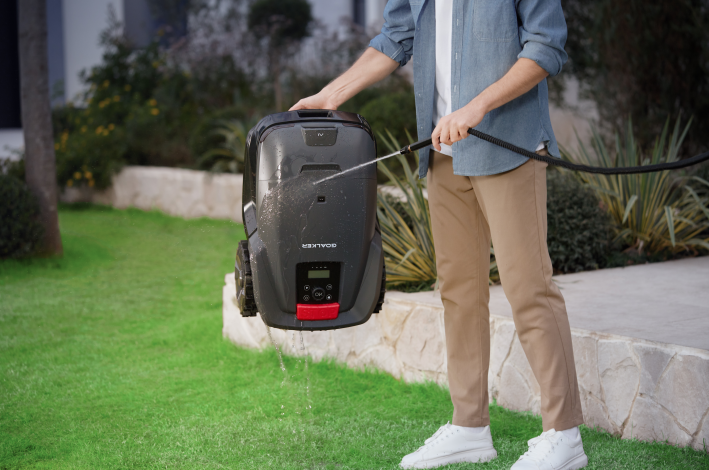
Learn how robot mower rain sensors detect moisture, trigger shutdowns, and differ from IP ratings—plus fixes for common false-trigger problems.

How GPS RTK, LiDAR, and AI vision let robot mowers create virtual walls and no-go zones—no buried wire needed. Setup steps and wire vs. wire-free comparison.

Discover the RTK GPS, sensor fusion, and fleet tech commercial robot mowers need for golf courses, campuses, and sports fields at scale.
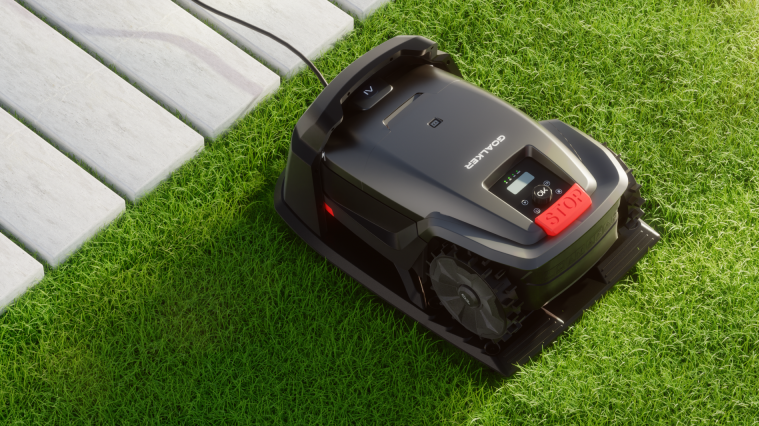
Learn the RTK-GPS, multi-zone mapping, and battery tech robotic mowers need to handle large, sloped, or irregular lawns without losing their way.

Are robot lawn mowers safe for kids and pets? Learn about lift sensors, obstacle detection, EN 50636-2-107 standards, and safe operating practices.

Discover how robotic lawn mowers navigate, detect obstacles, and cut grass automatically—from GPS/RTK systems to boundary wires and daily routines.

See how robot mowers tackle edge cutting—offset blades vs. vision tracking—and why that uncut strip along your fence line happens.
See how robot lawn mowers use ultrasonic sensors, AI cameras, and RTK-GPS to detect and avoid pets, kids, and obstacles safely.

How GFLS combines RTK, VSLAM and AI vision so a robot lawn mower keeps its position under trees and along walls — and what fusion positioning changes for brands.
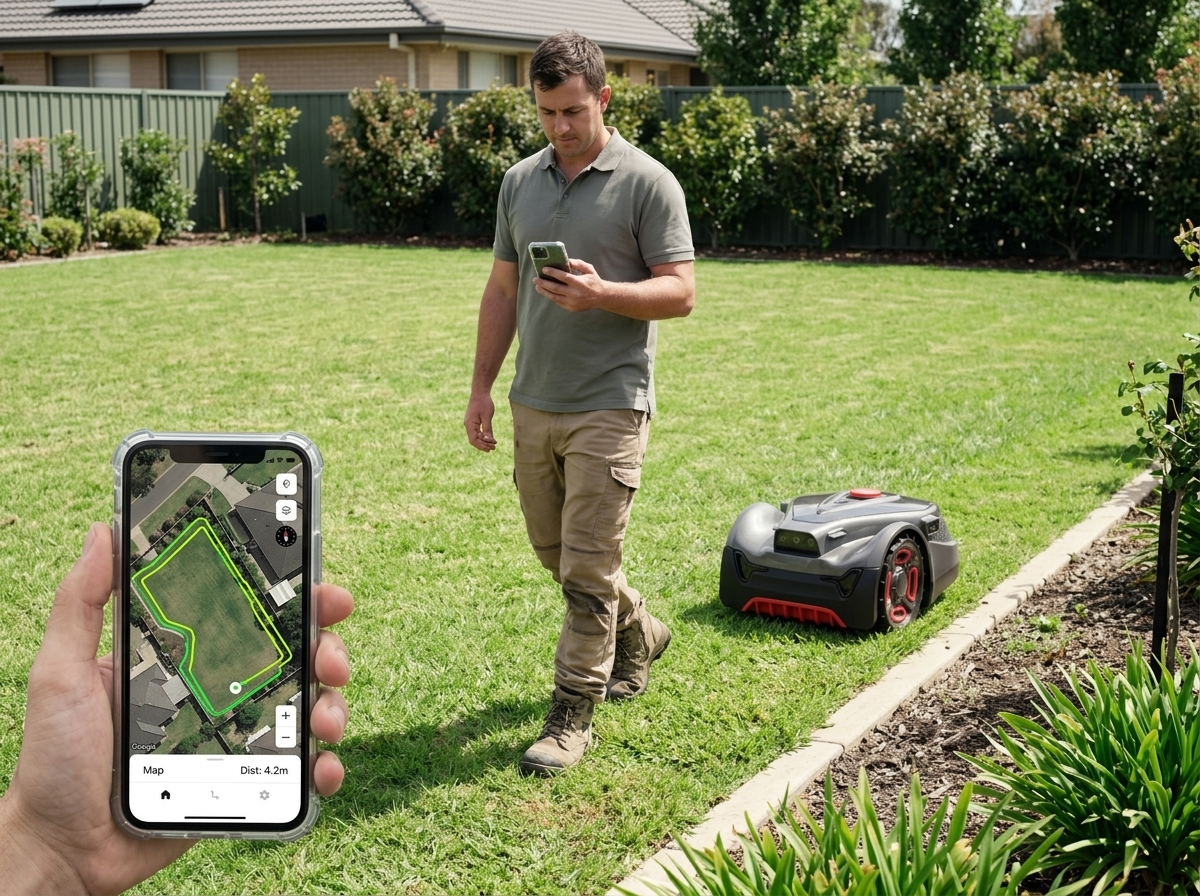
How to map a virtual boundary, add no-go zones and split a garden into zones on a wire-free robot lawn mower — plus why a mapped boundary can be changed later.

Learn what VSLAM is and how it lets robot lawn mowers navigate wire-free using cameras, building real-time maps for smarter, cable-free mowing.